

The Importance of Selecting the Right Materials for Shipping
Shipping valuable items requires more than just placing them in a box and hoping for the best. Proper packing supplies can make all the difference between your items arriving intact or damaged. Choosing the right materials is crucial for anyone involved in shipping, whether you’re moving household items, sending gifts to loved ones, or running an e-commerce business. In this article, we will explore various factors to consider when selecting packing supplies that prevent item breakage.
Understanding Different Types of Protective Materials
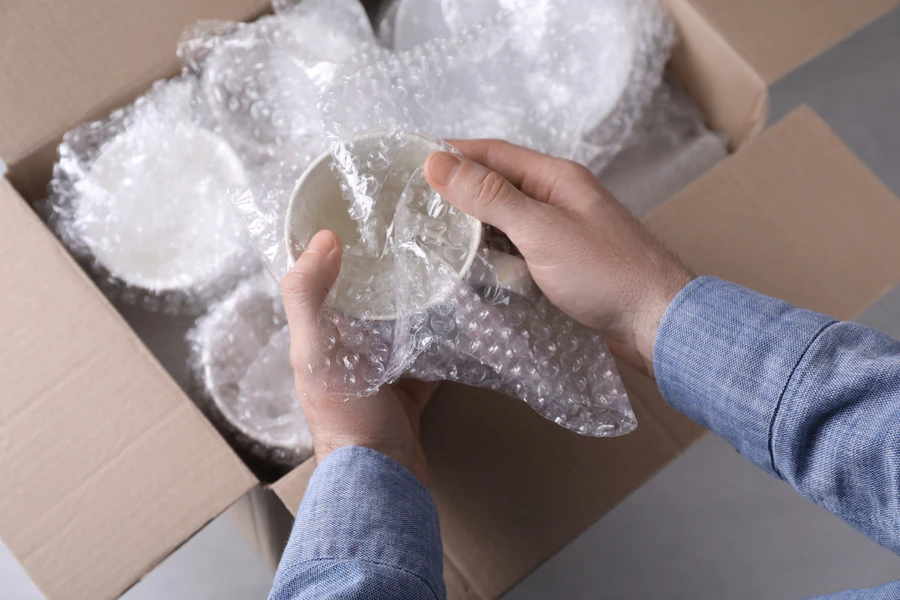
Packing involves using materials that safeguard your items against external impacts during transit. These materials range from bubble wrap and foam peanuts to more advanced options like air pillows and molded pulp. Each type has its benefits and ideal use scenarios. For example, bubble wrap is perfect for cushioning fragile items, while foam peanuts are great for filling empty spaces in boxes to prevent movement. Understanding these types helps you make informed choices for your needs.
Benefits of Using Quality Packing Materials
When you invest in quality packing materials, you ensure the safe arrival of your goods. This not only protects against damage but also enhances customer satisfaction if you’re a business owner. Quality materials provide better shock absorption and resistance to compression, significantly reducing the chances of breakage. Additionally, they often offer better environmental sustainability, such as recyclable or biodegradable options, which are becoming increasingly important to consumers.

Common Challenges With Inadequate Packaging
Using subpar packing supplies can lead to a host of problems. Items may get crushed or broken, resulting in financial losses and dissatisfied customers. Inadequate packaging can also increase shipping costs due to the need for additional protection measures after initial failures. These issues highlight the importance of choosing the right packing supplies from the start.
- Fragile items breaking due to insufficient cushioning
- Increased returns and complaints affecting customer trust
- Higher overall costs from replacing damaged goods
Steps to Select the Best Protective Options
Selecting the best protective options involves several key steps:
- Identify the fragility of your items: Consider how easily each item can break.
- Choose appropriate packaging: Use suitable materials like bubble wrap for glass or air pillows for electronics.
- Test durability: Conduct trial shipments to evaluate the effectiveness of chosen materials.
- Calculate size correctly: Ensure the box size matches the item with minimal extra space.
- Consider environmental impact: Opt for recyclable or biodegradable options where possible.
Best Practices for Secure Shipping
For secure shipping, always seal boxes with strong tape along all seams. Label boxes clearly with “Fragile” if needed and include handling instructions. Always double-check that you’ve used sufficient padding within the box. A final shake test helps verify there’s no movement inside before sealing it completely.
Cost Factors in Choosing Packing Supplies
While cost is a significant factor, it’s crucial not to compromise on quality. Cheap materials might seem like a saving at first but could result in greater expenses later due to damages or replacements. Consider investing upfront in higher-quality materials that offer better protection and potentially lower insurance premiums by reducing claims for damaged goods.
Your Next Steps Towards Safer Shipping
If you’re looking to enhance your shipping processes, start by evaluating your current methods and materials. Implement changes based on expert advice and experiences shared above. At Georgia Moving and Storage, we’re committed to helping you find packing solutions tailored to your needs. Contact us at (770) 648-2749 today for personalized assistance. Based in Alpharetta, GA, we serve clients nationwide with high-quality packing products designed to keep your items safe.